
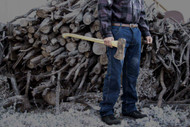
Cold Weather Work Gear for the Toughest Elements
Published by KEY Apparel on Oct 22nd 2026
Winter doesn't stop the work. Fences still need fixing, the pour still has to happen, and line crews still roll out when ice brings a pole down. What changes is how much your gear matters. Cold, wind, and wet all pull heat from your body, and the wrong clothes let them do it faster.
This guide covers how to layer for cold weather work from the skin out, what to look for in insulated bib overalls and coveralls, when heated workwear earns its spot, and how to protect the parts of your body that get cold first.
Shop KEY's insulated bib overalls and coveralls, the Polar King collection, and the new Blaze heated workwear collection.
Why the Right Winter Work Clothes Matter
Cold stress is a real jobsite hazard. When your body loses heat faster than it makes it, your core temperature starts to drop. To protect your organs, your body pulls blood away from your hands, feet, and face. That's why your fingers and toes go numb first, and why frostbite tends to show up on the nose, ears, and cheeks.
Moisture makes all of it worse. Hard work means sweat, and wet fabric pulls heat from your skin much faster than dry fabric. Wind does the same thing to anything exposed. Good winter work clothes do three jobs: hold in your body heat, move moisture away from your skin, and keep wind and wet on the outside.
How to Layer for Cold Weather Work
The best way to dress for cold weather work is in three layers: a base layer against your skin, a mid layer that holds heat, and an outer layer that blocks wind and moisture. Layering lets you adjust as the day changes. Shed a layer when you're working hard, and put it back on when you stop.
Base Layer: Start Close to the Skin
Your base layer should fit close without binding. KEY's Thermal Top and Thermal Bottom give you a warm first layer that sits easy under work shirts and bibs. On days when bibs are more than you need, lined work pants like the Fleece Lined Shield Flex Pant keep your legs warm without the extra bulk.
Mid Layer: Hold the Heat In
Your mid layer does most of the insulating. The Patriot Bonded Flannel Shirt Jacket pairs a cotton flannel outer with a fleece lining, so it works as a shirt on cool mornings and a mid layer once the temperature drops. The Premium Heavyweight Thermal Lined Sweatshirt and the Fleece Pullover Hoodie are both solid picks under a jacket.
If your job keeps you standing still for long stretches, the Blaze Heated Quarter Zip Sweatshirt adds powered heat at the chest and back. Wear it on its own in the shop or as a heated layer under your outerwear.
Outer Layer: Block the Wind and Wet
Your outer layer takes the weather. Look for a tough shell, real insulation, and a hood you can pull up when the wind picks up. The Polar King Premium Insulated Fleece Lined Jacket pairs a cotton duck shell with bonded polyester fiberfill insulation and a fleece-lined body. Shop all men's jackets and coats for more options. For your lower half, nothing covers more ground than a good pair of insulated bib overalls.
Insulated Bib Overalls and Coveralls: Protect Your Core
Insulated bib overalls are the workhorse of cold weather work gear. The bib covers your stomach and lower back, so you don't get a blast of cold air every time you bend, reach, or lift. They go on over your base layer and jeans, and leg zippers make it easy to get them on and off over your boots. Insulated coveralls take it one step further with full coverage from collar to ankle.
Use this chart to find the right insulated overalls for your work:
|
Style |
Outer Shell |
Insulation |
Standout Features |
Best For |
|---|---|---|---|---|
|
12 oz, 100% cotton duck |
Heavyweight bonded polyester fiberfill |
Waterproof barrier in seat and knees, two-way leg zippers to the waist, heel scuff plates |
Extreme cold, kneeling, and long days outside |
|
|
Heavy-duty duck, water and stain resistant |
Mid-weight bonded polyester fiberfill |
Water and stain resistant shell |
Wet, sloppy winter chores |
|
|
10 oz, 100% cotton duck |
4 oz insulation with taffeta lining |
Relaxed fit, zippers to the knee, snap leg closures, hammer loop |
Everyday winter work at a lower price point |
|
|
Mid-weight cotton and polyester duck, water and stain resistant |
Mid-weight bonded polyester fiberfill |
Bi-swing back for reaching and lifting |
Full-body coverage in wind and cold |
Outfitting the whole family? KEY also makes women's insulated bib overalls, kids' insulated bibs and coveralls, and Big & Tall overalls and coveralls. Still deciding between styles? Read our breakdown of coveralls vs. bib overalls, then use our guide on how to find your size in coveralls.
Blaze Heated Workwear: When Insulation Isn't Enough
Insulation only holds onto the heat your body makes. That works when you're moving. It falls short when you're flagging traffic, sitting in a deer stand, or working a fixed post for hours. That's the gap the Blaze collection was built to fill.
Every Blaze piece has heating zones at the chest and back, run by a single button with three settings. Low gives you up to 8 hours of heat per charge, medium up to 6, and high up to 4. All five pieces are water resistant, machine washable with the battery removed, and sized S through 4XL.
- Blaze Midweight Water Resistant Heated Duck Jacket: A duck shell with reinforced heavy-wear zones and a removable hood, built for long hours in standing-still cold.
- Blaze Lightweight Diamond Quilted Heated Puffer Jacket: A low-bulk ripstop shell for high-activity days when you want heat without the weight.
- Blaze Midweight Two-Tone Heated Puffer Jacket: Articulated elbows for reaching and lifting, plus a fleece-lined adjustable hood.
- Blaze Midweight Two-Tone Heated Puffer Vest: The same chest and back heat zones as the jackets, with your arms free to work.
- Blaze Heated Quarter Zip Sweatshirt: A heated layer that works alone in the shop or under a shell outside.
Blaze vs. Polar King: Which One Do You Need?
Polar King traps the heat you're already making with insulation and fleece lining. Blaze adds powered heat on top of insulation. If you're active in moderate cold, Polar King handles it. If you stand still or work exposed to serious cold for long stretches, Blaze is built for you. Plenty of folks run both: Polar King insulated bibs on the bottom and a Blaze jacket or vest up top.
Protect Your Head, Hands, Feet, and Eyes
Head and Face
Your ears, nose, and cheeks are some of the first places frostbite shows up. A warm knit cap like the Watch Cap with Thinsulate insulation or the KEY Logo Beanie covers your head and ears. Add a balaclava or neck gaiter when the wind chill drops. Browse all hats and beanies.
Hands and Feet
Your hands and feet lose heat first because your body cuts blood flow to them to protect your core. Pick insulated, waterproof gloves built for winter work instead of all-season gloves, and look for a pair that lets you use your phone without taking them off. For boots, insulation and ice traction matter most. Keep a dry pair of socks in the truck, because wet socks pull heat from your feet fast.
Eyes
Snow, ice, and water reflect a lot of UV light. That glare can cause photokeratitis, a painful sunburn on the surface of the eye often called snow blindness. UV-blocking safety glasses or goggles prevent it.
Cold Weather Safety Tips for Outdoor Workers
Good gear is your first line of defense, but it's not the only one. Keep these in mind every time the temperature drops:
- Know the early signs of hypothermia: uncontrolled shivering, slurred speech, confusion, and clumsy hands. Get the person somewhere warm and dry, and call for medical help if symptoms get worse.
- Watch for frostbite: numbness, pale or waxy skin, and skin that feels hard on fingers, toes, ears, or the nose. Don't rub the area. Warm it gradually and get medical care.
- Take warm-up breaks somewhere dry and out of the wind.
- Drink water through the day. Cold air dries you out even when you don't feel thirsty.
- Change out of wet layers as soon as you can.
- Work with a partner when possible, so someone notices if you start having trouble.
Shop KEY Cold Weather Work Gear
Winter work is hard enough without fighting your clothes. KEY has built workwear for people who work outside since 1908, and our winter lineup covers every layer, from thermals to heated jackets.
Shop KEY's insulated bib overalls and coveralls, men's outerwear, the Polar King collection, and Blaze heated workwear. Right now, get Buy 2, Get 1 Free on eligible styles. Stock up before the deep cold sets in.
Frequently Asked Questions About Cold Weather Work Gear
What should I wear to work outside in cold weather?
Wear three layers: a snug base layer, an insulating mid layer like a fleece-lined flannel or hoodie, and a tough outer layer that blocks wind and moisture. Add insulated bib overalls or coveralls for your lower body, plus a warm hat, insulated gloves, and insulated boots. Layers let you shed heat when you're working hard and add it back when you stop.
Are insulated bib overalls warmer than insulated pants?
For most outdoor work, yes. Bib overalls cover your stomach and lower back, so cold air can't sneak in when you bend or lift. Insulated pants leave a gap at the waist every time your jacket rides up. Bibs also give you more pocket storage and stay put without a belt.
What's the difference between a heated work jacket and an insulated jacket?
An insulated jacket traps the heat your body produces. A heated work jacket adds its own warmth with battery-powered heating zones. KEY's Blaze heated work jackets combine both, with insulation plus heat at the chest and back, so you stay warm even when you're standing still.
How long does a Blaze heated jacket battery last?
Up to 8 hours per charge on low, up to 6 hours on medium, and up to 4 hours on high. The battery rides on the right side of the jackets and vest, and inside the kangaroo pocket on the sweatshirt. You can use it to charge your phone in a pinch, but that cuts into your heat time.
Should I size up in insulated bib overalls to fit layers underneath?
KEY insulated bibs are cut with room for layers, so most people order their normal size. If you plan to wear heavy thermals and jeans underneath, or you're between sizes, check your measurements against the KEY sizing chart first. Many KEY bibs come in short, regular, and tall lengths, so you can get the inseam right too.